Quick answer
To remove wallpaper without damaging drywall, first find out whether the paper is strippable, peelable, or traditional. Dry-strip what you can, then soften the remaining backing and paste with warm water and a remover, working small sections and scraping at a low angle. If the brown drywall paper tears, seal it with a shellac or oil-based primer before patching. Wallpaper Installer Seattle handles removal and repair across the Seattle area.
Key facts
- Test a corner first: strippable paper pulls off whole, peelable leaves a backing, traditional paper tears into small pieces.
- Turn off power at the breaker and remove cover plates before using water near outlets and switches.
- Wallpaper hung on unprimed drywall bonds to the paper face and is the most likely to tear it.
- Torn brown drywall paper must be sealed with a shellac or oil-based primer before skim coating, or it will bubble.
- Wash off all remaining paste before priming; leftover adhesive causes paint and new paper to fail.
Why does wallpaper removal damage drywall?
Wallpaper removal damages drywall when the adhesive is stronger than the drywall's own paper face. Drywall is a gypsum core wrapped in paper, and that thin outer layer is the only thing standing between your scraper and the chalky gypsum underneath.
The worst cases are walls where the original installer skipped primer. Paste soaks into raw drywall paper and essentially glues the wallpaper to it, so pulling the wallpaper pulls the face off with it. Walls that were primed with a proper wallcovering primer usually release far more cleanly, which is one reason we always prime before hanging new paper.
Over-wetting is the second culprit. Drywall paper softens when soaked, and a wall that has been drenched repeatedly can blister, delaminate, or gouge under a putty knife.
What type of wallpaper do you have?
The fastest way to know is to lift a corner at a seam with a fingernail or putty knife and pull slowly at a low angle. How the paper behaves tells you which method to use.
| Type | What happens when you pull | What is left on the wall | Typical approach |
|---|---|---|---|
| Strippable | Comes off in full sheets with little effort | Little or nothing, maybe light paste residue | Dry strip, then wash residue |
| Peelable | Decorative top layer separates from a paper backing | A thin paper backing still glued to the wall | Peel the face, then soak and remove the backing |
| Traditional (non-strippable) | Tears into small strips or will not lift | Most of the paper and all of the paste | Soften with water or steam, scrape in sections |
Many modern non-woven wallpapers are designed to be strippable, while older pulp papers and many vinyl-coated papers are peelable or traditional. If you are not sure what you have, our guide to peel-and-stick vs. traditional wallpaper explains how the main construction types differ.
How do you remove wallpaper step by step?
The method below works for most peelable and traditional papers on primed drywall. Go slowly, keep sections small, and let the water do the work rather than the scraper.
Tools and supplies
- Plastic sheeting, painter's tape, and old towels or canvas drop cloths
- A pump sprayer or spray bottle and a bucket of warm water
- Wallpaper remover concentrate or mild dish soap
- A 4- to 6-inch flexible putty knife and a wide scraper with rounded corners
- Large sponges, a second rinse bucket, and trash bags for the wet paper
- A scoring tool only for stubborn vinyl, and a steamer only for paper that will not respond to soaking
- Protect the room. Move furniture out, lay plastic over the floor with towels or drop cloths on top at the baseboard, and tape plastic along the trim. Wallpaper removal is wet and sticky.
- Kill the power. Turn off the circuits for the room at the breaker, remove outlet and switch cover plates, and tape over the openings. Water and live electrical boxes do not mix.
- Dry strip first. Peel off as much of the top layer as will come off dry. With peelable paper this removes the water-resistant face so the backing can absorb moisture.
- Score only if you must. If a vinyl surface will not peel, a scoring tool can open small holes for water to get through. Use light pressure; heavy scoring punches through to the drywall face and leaves marks you will have to patch.
- Soak a small section. Spray warm water mixed with a wallpaper remover concentrate, or a splash of dish soap, onto an area of a few square feet. Wait several minutes, then mist again. The paste should turn slick.
- Scrape at a low angle. Use a wide, flexible putty knife or a scraper with rounded corners, held nearly flat to the wall. If it skips or digs, the paste is not soft yet; wet it again instead of pushing harder.
- Wash off the paste. Once the paper is gone, sponge the wall with warm water and a remover solution, then rinse. Run your hand across it; any slippery or tacky feel means paste remains.
- Let it dry completely. Give the drywall at least a full day, longer in a cool, damp Pacific Northwest winter, before priming or patching.
Steamers speed things up on plaster but deserve caution on drywall. Steam drives heat and moisture into the paper face quickly, so keep the plate moving and work only until the paper releases.
What should you do if the brown drywall paper tears?
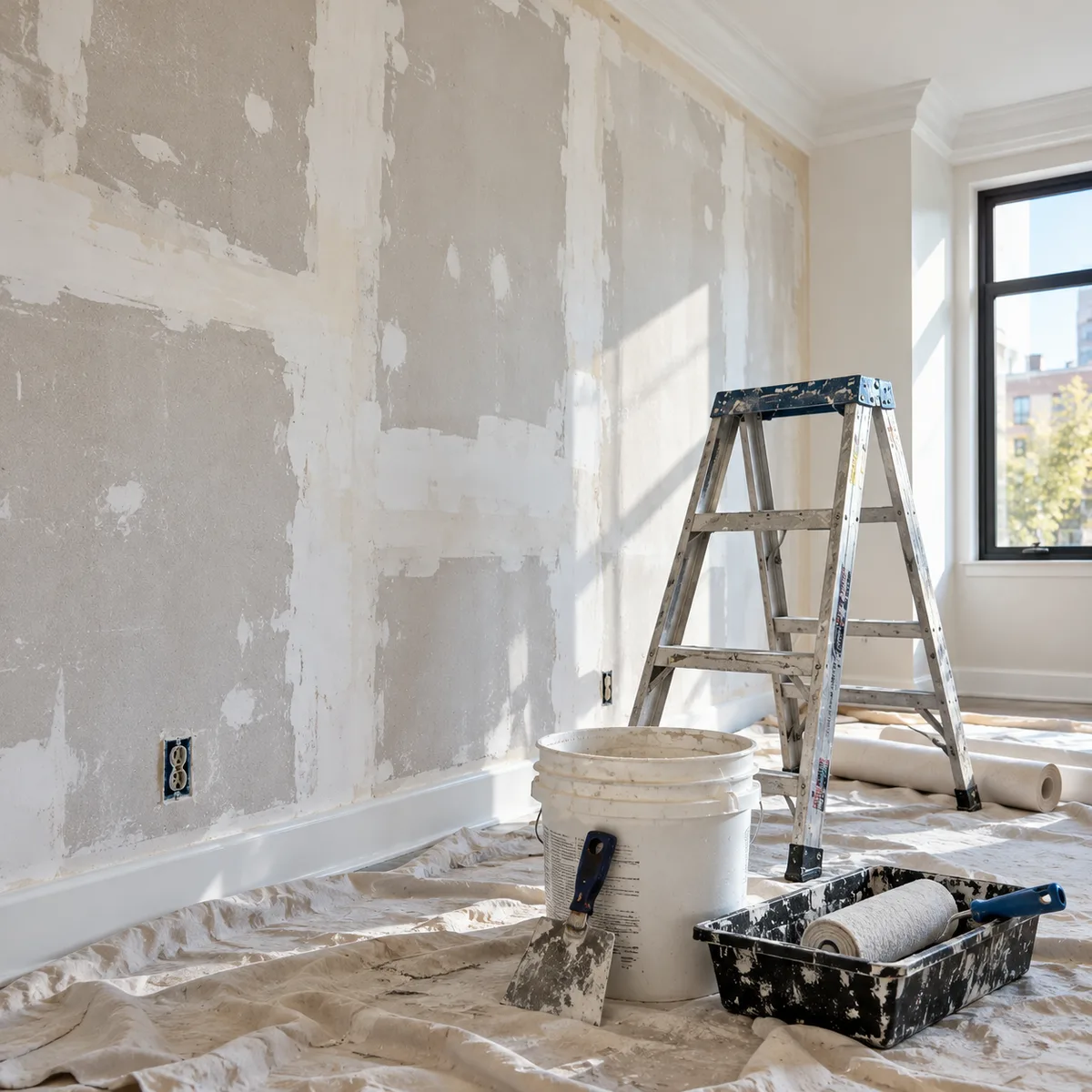
If you see brown or gray fuzzy paper after removal, stop scraping that area and let it dry, because you have torn into the drywall face. This is common on unprimed walls and does not mean the drywall needs to be replaced.
The critical step is sealing. If you skim water-based joint compound directly over exposed drywall paper, the moisture soaks into it and causes bubbles and blisters that keep coming back. Professionals handle it this way:
- Trim away any loose, curling, or lifted paper with a sharp utility knife so the edges are tight.
- Seal the damaged area, and ideally the whole wall, with a shellac-based primer or an oil-based primer. These do not re-wet the paper the way water-based products do.
- Once the sealer is dry, skim coat with joint compound, sand smooth, and dust off.
- Prime again with a wallcovering primer, or a paint primer if you are switching to paint.
Shellac and oil primers have strong odors and require good ventilation. Follow the label for respirator recommendations and dry times. For a deeper look at choosing a sealer and a top primer, see our wallcovering primer guide.
Are there safety issues with wallpaper removal?
Yes, and they matter most in older homes. Water near electrical boxes is the everyday risk, which is why the breaker step above is not optional.
- Lead paint. Homes built before 1978 may have lead paint under or over the wallpaper. Test before sanding or scraping painted surfaces, and do not dry sand if lead is present.
- Asbestos. Some older joint compounds and textured finishes contain asbestos. If you plan to sand or skim over old texture, test it first.
- Slips and falls. Wet paper on plastic sheeting is slick. Clear it up as you go, and use a stable step ladder.
If your home has plaster walls rather than drywall, the process changes somewhat. Our guide to removing wallpaper from plaster walls covers older homes in detail.
Should you remove wallpaper yourself or hire a pro?
A small powder room with strippable paper is a reasonable weekend project for most homeowners. The calculation changes with the size of the room, the type of paper, and what is underneath.
Consider professional wallpaper removal when:
- The paper is traditional or vinyl and tears into small pieces.
- A test corner shows torn drywall paper right away, suggesting the walls were never primed.
- There are multiple layers, or paint has been rolled over the wallpaper.
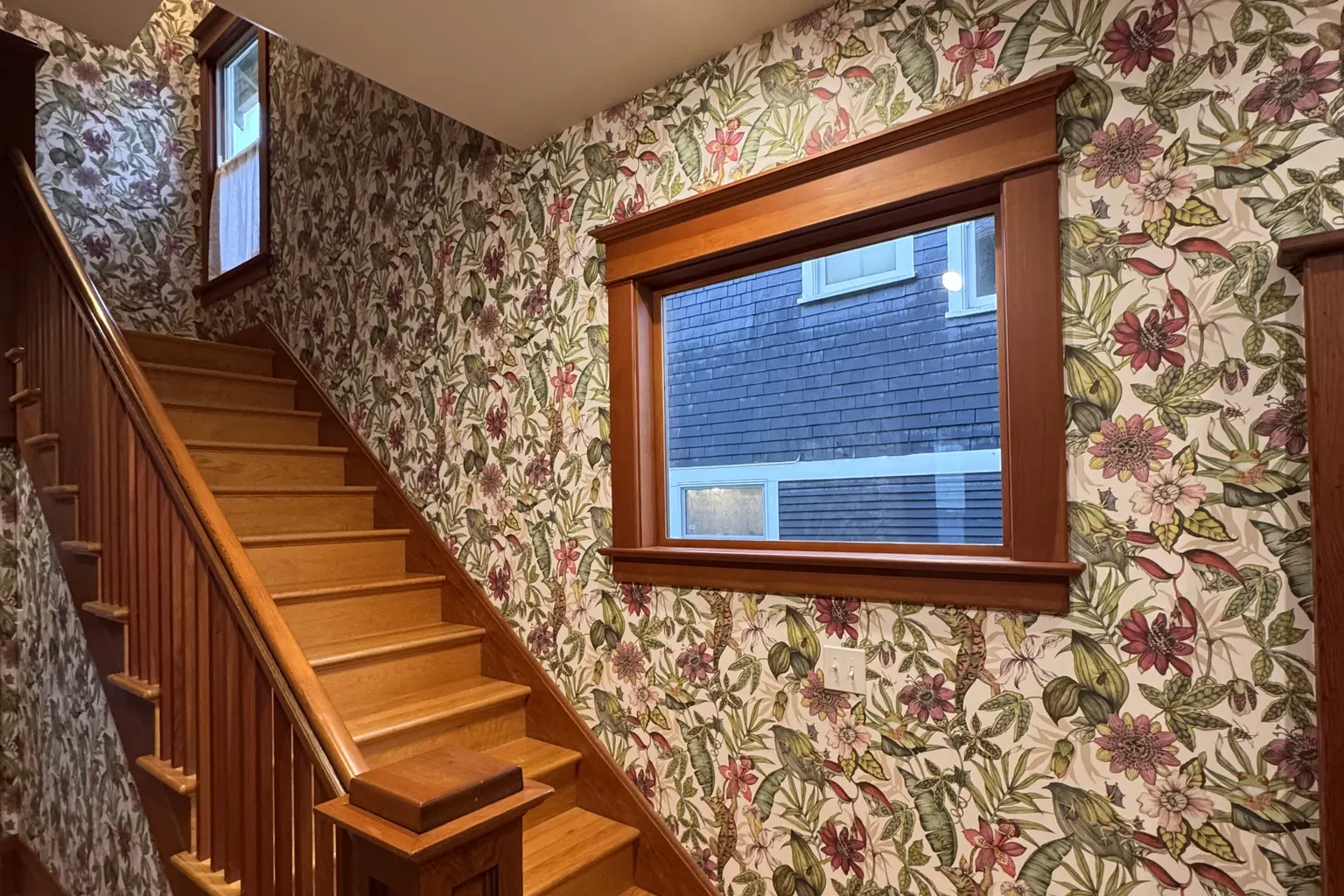
- The room has tall walls, a stairwell, or a ceiling with paper on it.
- You plan to hang new wallpaper and want the walls brought to a smooth, sealed, primed finish.
The real cost of removal depends mostly on how the paper releases, the size and height of the room, and how much repair the wall needs afterward. Our wallpaper installation cost guide walks through those factors.
How do you prepare drywall for new wallpaper after removal?
After removal, the wall needs to be clean, smooth, sealed, and primed before new paper goes up. New wallpaper magnifies every flaw underneath, especially thin, dark, or metallic papers.
- Confirm all paste residue is washed off and the wall is fully dry.
- Seal any torn areas with shellac or oil-based primer.
- Patch dents and gouges, skim coat if needed, and sand smooth.
- Apply a wallcovering primer suited to the new paper and the room's humidity.
That primer layer is what makes your next removal easy. Our wall preparation service covers patching, skim coating, and priming so the new wallpaper installation starts on a sound surface.
Get a free on-site estimate for wallpaper removal
Wallpaper Installer Seattle is licensed and insured, with 10+ years of residential and commercial experience. We come to your home or business, test how your paper releases, check the walls underneath, and give you a free written estimate for removal, repair, and new installation. Call or text (425) 500-6842, email seattlewallpaper@gmail.com, or request your free estimate online. We reply within 24 hours.
Related services
Frequently asked questions
Does fabric softener really help remove wallpaper?
A small amount of liquid fabric softener in warm water can help the solution penetrate and soften paste, much like a dish soap mix. Commercial wallpaper remover concentrates are more predictable. Whatever you use, rinse the wall well afterward so no film is left behind.
Can I just paint over the torn brown paper on my drywall?
No. Water-based paint and joint compound will soak into the exposed drywall paper and cause bubbling. Seal it first with a shellac-based or oil-based primer, then skim, sand, and prime before painting or papering.
How long does wallpaper removal take in a typical room?
It depends on the paper type and how the walls were prepared. Strippable paper in a small bathroom can come down in an hour or two, while traditional paper on unprimed drywall can take a full day or more, plus drying and repair time.
Should I use a steamer on drywall?
A steamer can work on drywall, but it softens the paper face quickly, so it must be used with care and kept moving. On drywall, a sprayed remover solution and patience are often the safer choice. Steamers are more useful on plaster walls.
Why does my wall still feel slippery after removing the paper?
That slick feel is leftover wallpaper paste. Wash the wall with warm water and remover, rinse, and check again by hand once dry. Paste left under paint can cause cracking and peeling, and under new wallpaper it interferes with adhesion.
Is it safe to remove wallpaper in a house built before 1978?
It can be, but test painted surfaces for lead before scraping or sanding, because homes built before 1978 may have lead paint. If lead is found, use lead-safe practices or hire a contractor certified for lead-safe work. Also test old textured finishes for asbestos before sanding.